
What is Blockchain?
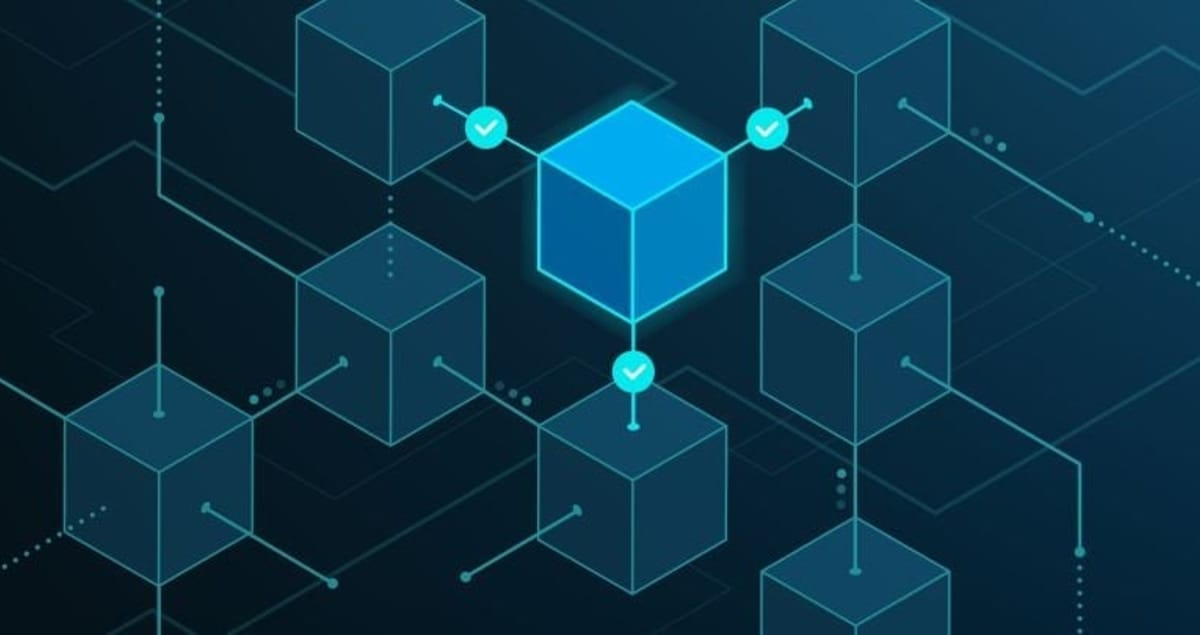
Blockchain is like a digital ledger that records transactions securely and transparently. Instead of being stored in one place, this ledger is shared across multiple computers (nodes) around the world. Every transaction is grouped into “blocks” and linked together, forming a “chain.”
Key Features:
- Decentralization: No single authority controls the system.
- Transparency: Transactions can be seen and verified by all participants.
- Security: Advanced cryptography ensures data can’t be altered.
How Does Decentralization Work?
Decentralized systems distribute data and decision-making across many participants instead of relying on a central authority. This makes systems more resilient and trustworthy.
Examples:
- Decentralized Finance (DeFi): Financial services like loans and trading without banks.
- Decentralized Applications (dApps): Apps running on blockchain networks.
- Decentralized Storage: Systems like Filecoin that store data without central servers.
Real-World Uses of Blockchain
- Finance: Faster, cheaper cross-border payments and new platforms like cryptocurrency exchanges.
- Supply Chains: Track goods from production to delivery for transparency and fraud prevention.
- Healthcare: Secure storage and sharing of patient records.
- Voting: Tamper-proof digital voting systems.
- Real Estate: Streamlined property transactions using smart contracts.
Why Use Blockchain?
- Security: Data can’t be easily hacked or changed.
- Transparency: Every transaction is verifiable.
- Cost Savings: Reduces the need for intermediaries like banks.
- Reliability: No single point of failure.
Challenges
Despite its potential, blockchain faces challenges:
- It can be slow for large-scale applications.
- Some systems use a lot of energy.
- Governments are still figuring out how to regulate it.
- Different blockchains don’t always work well together.
The Future of Blockchain
The future looks promising. New developments like faster transaction systems, tools for connecting different blockchains, and creative uses like digital art (NFTs) are expanding what’s possible.
Project Ideas
- Digital Voting System: Create a secure way to vote online.
- Product Tracking App: Build a system to verify where products come from.
- Medical Records Platform: Develop a tool to store and share health records securely.
- Peer-to-Peer Marketplace: Enable users to trade directly without middlemen.
- Green Initiatives: Use blockchain to track and trade carbon credits.
In short, blockchain and decentralized systems are powerful tools that could revolutionize how we live and work. Their potential to create secure, transparent, and efficient systems is just beginning to be explored.