

What Is the Hardware Renaissance?
The Hardware Renaissance refers to the rapid revival and innovation in physical computing devices — after years of software dominating the spotlight.
While apps, cloud platforms, and AI algorithms grabbed headlines, 2025 is witnessing a powerful comeback of hardware innovation, driven by smarter chips, sustainable materials, and intelligent design.
In simple terms, we’re entering an era where hardware + AI = smarter, faster, greener devices.⚙️ Key Drivers Behind the Hardware Revolution
1. AI-Powered Chips & Edge Computing

New generations of AI-optimized processors (from companies like NVIDIA, AMD, Qualcomm, and Apple) are transforming how devices compute.
Instead of sending all data to the cloud, these chips process AI tasks locally on the device — known as edge computing.
Benefits:
- Faster processing and real-time insights
- Improved privacy (no data sent externally)
- Lower latency for gaming, AR/VR, and IoT applications
Example: Apple’s A18 Pro and Qualcomm’s Snapdragon X Elite chips bring on-device AI for image generation, translation, and personal assistant tasks without an internet connection.
2. Smarter Wearables & Health Devices

Wearables are no longer just step counters. In 2025, smart devices track heart health, glucose levels, stress, and sleep patterns using built-in sensors and machine learning.
Trending Examples:
- Smart Rings like Oura Gen 4 and Samsung Galaxy Ring
- Health-centric Smartwatches that provide ECG, SpO₂, and AI-driven health alerts
- Smart Glasses with real-time translation and AR overlays
These innovations blur the line between healthcare and consumer tech — making wellness more personal and proactive.
3. Sustainability in Hardware Design
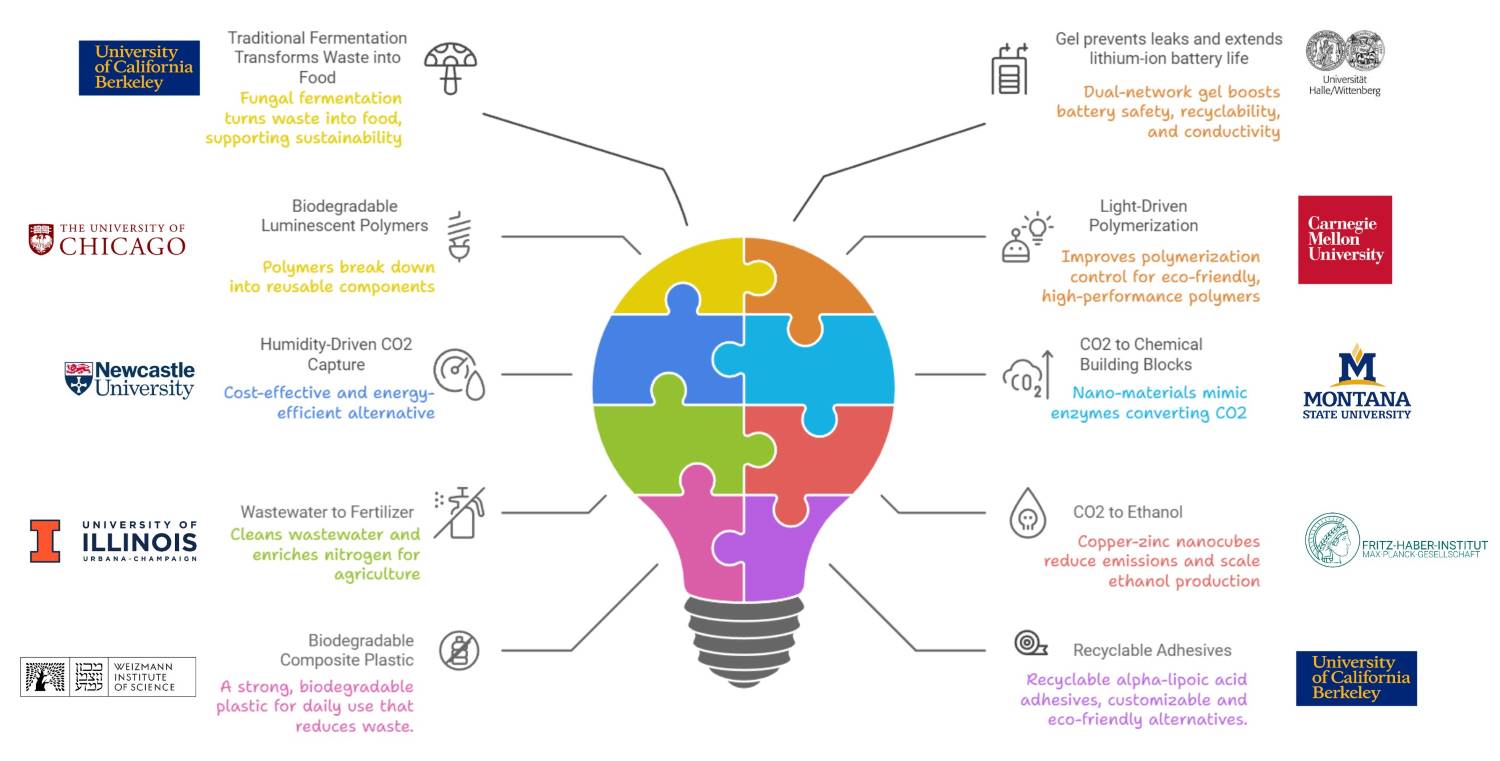
Sustainability is no longer optional. Tech companies are rethinking manufacturing with eco-friendly materials, modular design, and energy-efficient chips.
Sustainable Hardware Trends in 2025:
- Recyclable casings and components
- Reduced rare-earth material use
- Solar-powered and low-energy IoT devices
- Modular laptops and phones for easy repair
Brands like Framework, Fairphone, and Dell are leading this change, pushing for a circular economy in electronics.
4. Rise of AI-Integrated Consumer Devices

The line between software intelligence and hardware functionality is fading.
2025’s newest smartphones, PCs, and home devices now learn from user behavior using on-device AI agents.
Examples:
- AI cameras that adjust lighting, focus, and filters automatically
- Smart home assistants that predict your needs before you ask
- Laptops that optimize performance and energy use dynamically
5. Semiconductor Innovation & Local Manufacturing

The global chip shortage of the early 2020s sparked massive investments in semiconductor manufacturing.
In 2025, we’re seeing new AI-driven chip design, smaller nanometer architectures (3nm and below), and increased regional production in the US, India, and Europe.
Why It Matters:
- Boosts national tech independence
- Reduces supply chain vulnerability
- Enables more powerful, efficient consumer electronics
🌍 How the Hardware Renaissance Impacts Daily Life
| Sector | Transformation | Example |
|---|---|---|
| Healthcare | Remote health monitoring & predictive diagnosis | Smartwatches, AI stethoscopes |
| Education | AR/VR devices for immersive learning | Apple Vision Pro, Meta Quest 3 |
| Work | On-device AI boosting productivity | AI PCs (HP, Lenovo, Dell) |
| Smart Homes | Connected appliances with energy tracking | Smart thermostats, AI refrigerators |
| Automotive | Intelligent sensors & autonomous driving chips | Tesla, NVIDIA Drive Thor |
🔮 The Future: Hardware + AI = Everyday Intelligence
As hardware becomes more adaptive, sustainable, and intelligent, it’s not just about owning smart gadgets — it’s about creating an interconnected, responsive ecosystem around you.
We’re moving toward a world where your phone, car, and watch understand context, communicate with each other, and help you live smarter.
“The next wave of computing will not be in the cloud — it will be in your pocket, on your wrist, and built into your world.” — Tech Futurist, 2025
🧭 Final Thoughts
The Hardware Renaissance is redefining technology’s foundation — putting intelligence, sustainability, and personalization at the core of every device.
From AI-powered processors to eco-friendly design, this revolution isn’t just about better gadgets — it’s about building smarter, more responsible technology for the future.